Source Steel Bike Hub for Mountain, Road, and Kids Bikes
Compare 30 Steel Bike Hub options from verified suppliers in China. Buyers can evaluate models like TJ-HUB-001 and HC-5018 for front or rear applications with customization available.
Key considerations
Products List


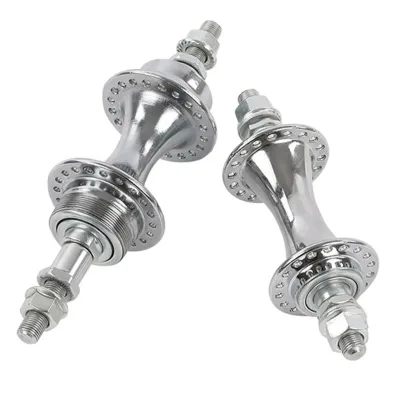


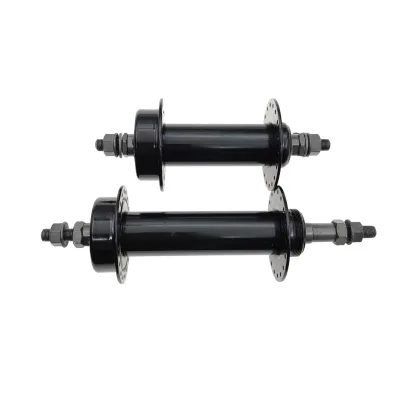
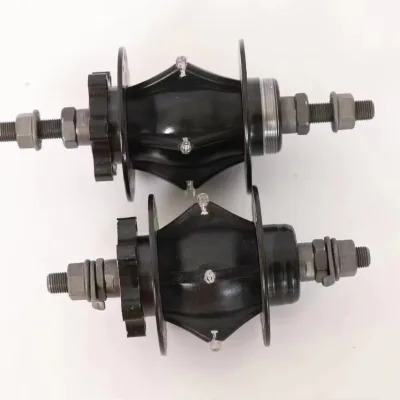
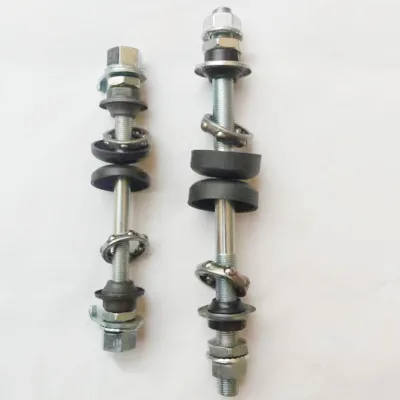
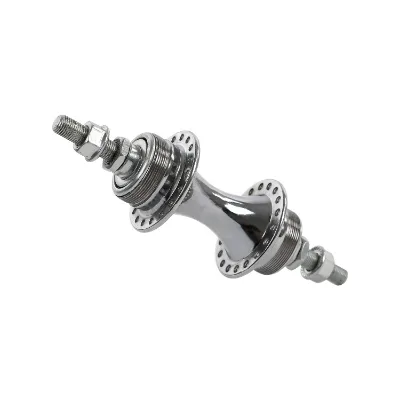
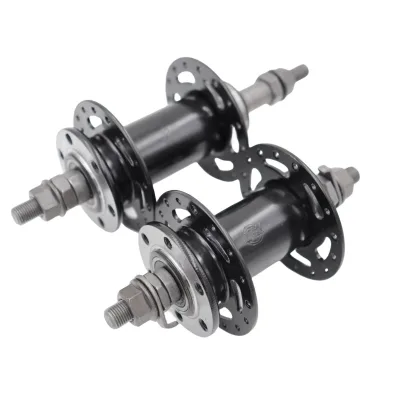
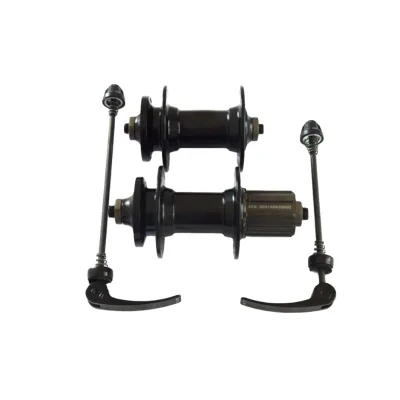
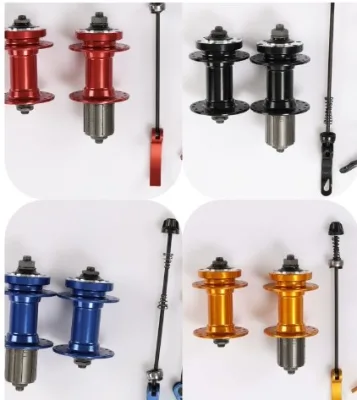
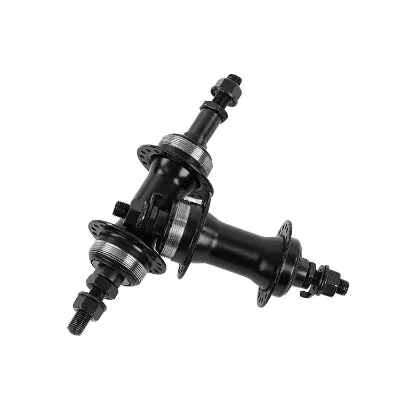
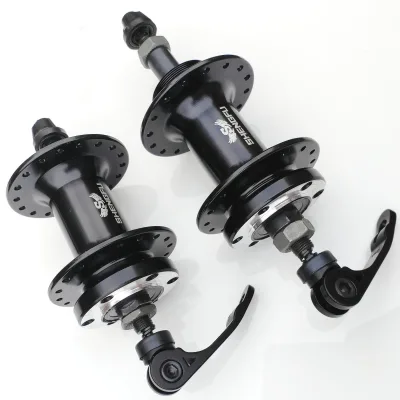
Comprehensive Sourcing Guide
Strategic Sourcing Guide for Steel Bike Hubs
Understanding Technical Specifications and Material Composition
When sourcing steel bike hubs, the primary objective is to align the component's physical properties with the intended bicycle application. The market offers hubs constructed from various grades of steel and iron steel, each presenting distinct trade-offs between durability, weight, and cost. The supplied data indicates that the core material for these components is consistently identified as Steel or Iron Steel, a choice that prioritizes structural integrity and resistance to impact over the weight savings associated with aluminum or carbon fiber alternatives. This material selection is particularly relevant for applications requiring high load-bearing capacity, such as mountain biking or heavy-duty utility cycling.
Buyers must scrutinize the specific model numbers provided by suppliers, as these often dictate the internal geometry and bearing arrangement. Common models observed in the current market include TJ-HUB-001, TJ-RA-8003, HC-5018, HDCB042, HDCB066, and HC-PJ-120. Each model number represents a unique configuration of axle length, flange diameter, and spoke hole count. For instance, the technical specifications reveal a standard spoke hole range of 29 to 36 holes, with specific models like the HDCB series explicitly noting a 36-hole configuration. This variation is critical because the spoke count must match the rim specifications of the bicycle being assembled. A mismatch here renders the hub unusable, regardless of the quality of the steel.
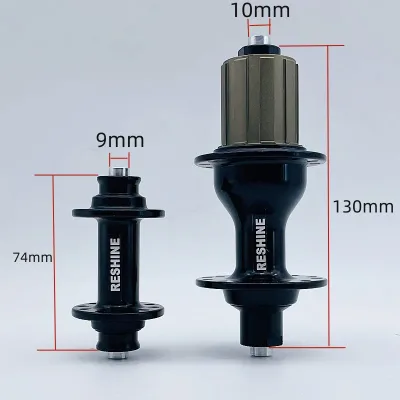
Furthermore, the physical dimensions of the hub are non-negotiable parameters. The total length of the axle is a defining characteristic, with observed specifications indicating a front axle length of 100mm and a rear axle length of 130mm. These measurements are standard for many traditional bicycle frames but must be verified against the frame's dropout spacing. Additionally, the weight of the hubs varies by position and design; data points show a front drum weight of approximately 270g and a rear drum weight of 340g. While these figures provide a baseline, buyers should expect variance based on the specific processing method, such as CNC machining, which can affect the final mass of the component.
Compliance, Certification, and Quality Standards
In the B2B procurement of bicycle components, compliance with international standards is a prerequisite for market access and liability protection. The supplied product attributes highlight ISO certification as a key credential, with specific references to "ISOCE" and "ISOCondition:New." While the exact standard number (e.g., ISO 9001) is not explicitly detailed in the provided text, the presence of ISO certification implies that the manufacturing facility adheres to recognized quality management systems. Buyers should verify the specific ISO standard number on the supplier's documentation to ensure it covers the specific manufacturing processes involved, such as CNC machining and surface treatment.
Quality assurance extends beyond certification to the physical condition and finish of the product. The data confirms that the condition of the hubs is "New," which is a fundamental requirement for any new assembly. However, the surface treatment options are diverse, including Anodized, Powder Coating, Polishing, and Electroplating. These treatments are not merely aesthetic; they serve as critical barriers against corrosion, which is a significant concern for steel components exposed to moisture and road salts. The choice of surface treatment should be dictated by the end-use environment. For example, mountain bikes operating in wet or muddy conditions may require robust powder coating or electroplating, whereas road bikes might prioritize the lightweight finish of polishing.
The manufacturing process itself is a vital indicator of quality. The data explicitly mentions "CNC Machining" as the processing method. CNC (Computer Numerical Control) machining ensures high precision in the creation of the hub shell, axle threads, and bearing seats. This precision is essential for maintaining the alignment of the wheel and ensuring smooth rotation. Buyers should request proof of the machining tolerances, as deviations in the bearing seat diameter can lead to premature bearing failure or wheel wobble. Additionally, the "Standard" and "Custom" size specifications suggest that while off-the-shelf options exist, the manufacturing capability allows for bespoke dimensions, provided the supplier can maintain the necessary tolerances.
Cost Drivers and Pricing Dynamics
The pricing structure for steel bike hubs is influenced by a complex interplay of material costs, manufacturing complexity, and order volume. The observed price range in the market spans from $0.10 to $40.00 USD. This wide variance is not indicative of quality differences alone but reflects the diversity of the product portfolio, ranging from basic, non-customized units to highly engineered, custom-designed hubs with advanced surface treatments. The lower end of the price spectrum likely corresponds to standard models with minimal customization and basic surface finishes, while the higher end encompasses custom specifications, specialized bearing arrangements, or premium surface treatments like high-grade electroplating.
Minimum Order Quantity (MOQ) is another significant cost driver. The data indicates an MOQ range of 1 to 1000 units, with specific listings showing an MOQ of 50 units. This flexibility allows buyers to scale their procurement based on their immediate needs. For small-scale assemblers or prototyping projects, an MOQ of 1 or 50 is advantageous, though the unit cost may be higher due to the setup costs of CNC machining. Conversely, large-scale manufacturers can leverage the higher MOQs to negotiate better unit prices, although the total capital outlay will be substantial. Buyers must calculate the total cost of ownership, including the MOQ requirement, rather than focusing solely on the per-unit price.
Additional cost factors include the customization level and packaging requirements. The product attributes list "Customization: Available" and "Customized: Customized" alongside "Non-Customized," suggesting that bespoke orders incur a premium. Customization may involve altering the spoke hole count, axle length, or specific surface finishes. Furthermore, the packaging details, such as "Carton," "Cartons + Bubble Film + Wooden Pallet," and "Single package size: 25X25X25 cm," impact logistics costs. Heavier or bulkier packaging increases shipping expenses, which are often calculated by weight, as noted in the shipping cost attributes. Buyers should factor in the cost of protective packaging, especially for international shipments, to prevent damage during transit.
Typical Applications and Market Segmentation
Steel bike hubs are versatile components designed to serve a broad spectrum of bicycle types. The application data explicitly lists "Ordinary Bicycle," "Mountain Bike," "Road Bike," and "Kids Bike" as primary use cases. This diversity underscores the adaptability of steel hubs to different riding conditions and performance requirements. For ordinary and kids' bikes, the durability and cost-effectiveness of steel make it an ideal material. These applications often prioritize longevity and resistance to abuse over weight reduction, making steel hubs a standard choice for entry-level and utility bicycles.
In the mountain biking sector, steel hubs are valued for their ability to withstand high impact loads and rough terrain. The "Disc Mount: Yes" attribute indicates that many of these hubs are designed for disc brake systems, which are standard on modern mountain bikes. The robust construction of steel hubs helps absorb the shock and vibration generated during off-road riding. However, the weight of steel hubs can be a disadvantage in competitive mountain biking where every gram counts. Buyers must weigh the durability benefits against the performance penalties of increased rotational mass.
For road bikes, the application of steel hubs is more nuanced. While traditional road bikes often utilize aluminum or carbon hubs for weight savings, steel hubs remain relevant for touring and endurance riding where reliability and repairability are paramount. The "Type: Disc Brake Hubs" specification suggests that these components are increasingly compatible with modern disc brake standards, which are becoming ubiquitous even in road cycling. The "Front, Rear" position attribute confirms that the supply chain offers complete sets, allowing for balanced wheel builds. The "Brand Name: OEM" designation indicates that these hubs are frequently produced for private label brands, suggesting they are suitable for companies looking to build their own bicycle brands without investing in in-house manufacturing.
Supplier Evaluation and Verification Protocols
Evaluating a supplier for steel bike hubs requires a rigorous assessment of their capabilities, location, and service offerings. The geographical data points to "China" as the primary origin, with specific mentions of "Hebei Province," "Guangdong," and "Xingtai." These regions are known for their manufacturing clusters, but buyers should verify the specific factory location to assess logistics and potential supply chain risks. The "Place of Origin" and "Prod Origin" fields provide transparency, but buyers should cross-reference these with the supplier's business license and physical address.
Service capabilities are another critical evaluation metric. The data highlights "OEM/ODM" services and "Customization: Available," indicating that suppliers are capable of producing branded goods and modifying designs. This flexibility is essential for buyers looking to differentiate their products. However, the presence of "Customized: Non-Customized" in the same dataset suggests that suppliers may offer both standard and custom lines. Buyers must clearly define their requirements to ensure the supplier can meet them. The "Sample: Free" attribute is a significant positive indicator, allowing buyers to physically inspect the product quality before committing to a large order.
Lead time is a crucial factor in supply chain planning. The observed lead time is listed as "25-30 Days." This timeframe should be factored into production schedules, especially for time-sensitive projects. Buyers should confirm if this lead time includes the time for sample approval and tooling setup, or if it refers strictly to production. The "Single gross weight: 1.000 kg" and "Single package size" data are essential for calculating shipping costs and storage requirements. Buyers should also verify the "Quality: Good" claim through independent testing or by reviewing past customer feedback, as self-reported quality metrics can be subjective.
Quality Control and Long-Term Procurement Considerations
Ensuring consistent quality in steel bike hubs requires a proactive approach to quality control (QC). The "Quality: Good" attribute is a starting point, but buyers must implement their own QC protocols. This includes verifying the "CNC Machining" precision, checking the "Surface Treatment" for uniformity and adhesion, and testing the "Bearing Hub" functionality for smooth rotation and lack of play. The "Hub Hole Number: 36 holes" and "Spoke Hole: 29 - 36" specifications must be measured with precision tools to ensure they meet the required tolerances. Any deviation can lead to wheel imbalance and premature failure.
Long-term procurement considerations involve building a sustainable relationship with the supplier. The "Standard: As your request/sample/drawing" attribute indicates a willingness to adapt to changing requirements, which is vital for long-term partnerships. Buyers should establish clear communication channels for addressing quality issues and managing changes in design or volume. The "MOQ: 50" and "MOQ: 1-1000" ranges suggest flexibility, but buyers should negotiate terms that allow for incremental scaling without incurring prohibitive costs.
Finally, buyers should consider the environmental and regulatory implications of sourcing steel hubs. The "Surface Treatment" methods, such as electroplating and powder coating, may involve chemicals that are subject to environmental regulations. Ensuring that the supplier complies with relevant environmental standards is essential for maintaining a responsible supply chain. The "Certification: ISO" status provides a baseline, but buyers should verify compliance with specific regional regulations, such as REACH in Europe or RoHS in the EU, depending on the target market. By focusing on these technical, compliance, and strategic factors, buyers can secure a reliable supply of high-quality steel bike hubs that meet their operational and market needs.
FAQs
What certifications do steel bike hubs have?
Steel bike hubs carry ISO certification, specifically noted as ISOCE in product attributes. This indicates adherence to recognized quality management systems, though the exact standard number requires verification from supplier documentation to ensure it covers CNC machining processes.
Which materials are used for steel bike hubs?
The hubs are constructed from Steel or Iron Steel to prioritize structural integrity and impact resistance. This material choice supports high load-bearing applications like mountain biking, offering durability over the weight savings found in aluminum or carbon alternatives.
Can I get free samples for steel bike hubs?
Yes, free samples are available for steel bike hubs to allow physical inspection before bulk orders. This service enables buyers to verify the new condition, surface treatment quality, and CNC machining precision before committing to larger procurement volumes.
What is the lead time for steel bike hubs?
The standard lead time for steel bike hubs is 25 to 30 days. This duration covers production and should be factored into supply chain planning, potentially including time for sample approval and tooling setup depending on the specific order requirements.
How many spoke holes do these hubs have?
The hubs typically feature a spoke hole range of 29 to 36, with specific models like HDCB042 offering 36 holes. This specification is critical as the spoke count must match the rim to ensure the wheel is usable and properly aligned.
Which customization options are available for hubs?
Customization is available for steel bike hubs, including options for size, surface treatment, and branding. Buyers can request specific axle lengths or finishes like anodizing and powder coating, though non-customized standard models are also offered for immediate needs.